Practical AI Strategy &
Workflow Consulting
AI Consulting & Public Speaking on Practical AI Applications

Walk through how one project brought another to life using AI strategy…
Role / Tools: AI Strategist, Consultant & Panelist / ChatGPT, Microsoft Copilot, workflow mapping, process analysis, prompt development
Objective:
Explore how generative AI can solve practical business problems by identifying high-value use cases within existing workflows—and help professionals understand how to adopt AI in ways that are approachable, useful and grounded in their actual work.
Approach:
I approached AI adoption as a workflow challenge rather than a technology challenge.
For a one-on-one AI consultation with an Operations Manager for a large outdoor area, I developed and conducted a structured workflow assessment covering daily responsibilities, recurring tasks, existing technology, communication patterns and operational pain points.
The assessment surfaced opportunities across an unusually varied operations role—from contractor management and RFPs to construction coordination, permitting, facilities planning and district communications. I mapped where time was being spent, identified repetitive or high-friction processes, and evaluated where AI could realistically reduce administrative work without adding unnecessary technology.
Opportunities included streamlining recurring leadership updates, generating meeting agendas and follow-up materials, drafting business notifications from permit information, organizing operational information, accelerating long-form planning documents and creating reusable prompts for recurring tasks.
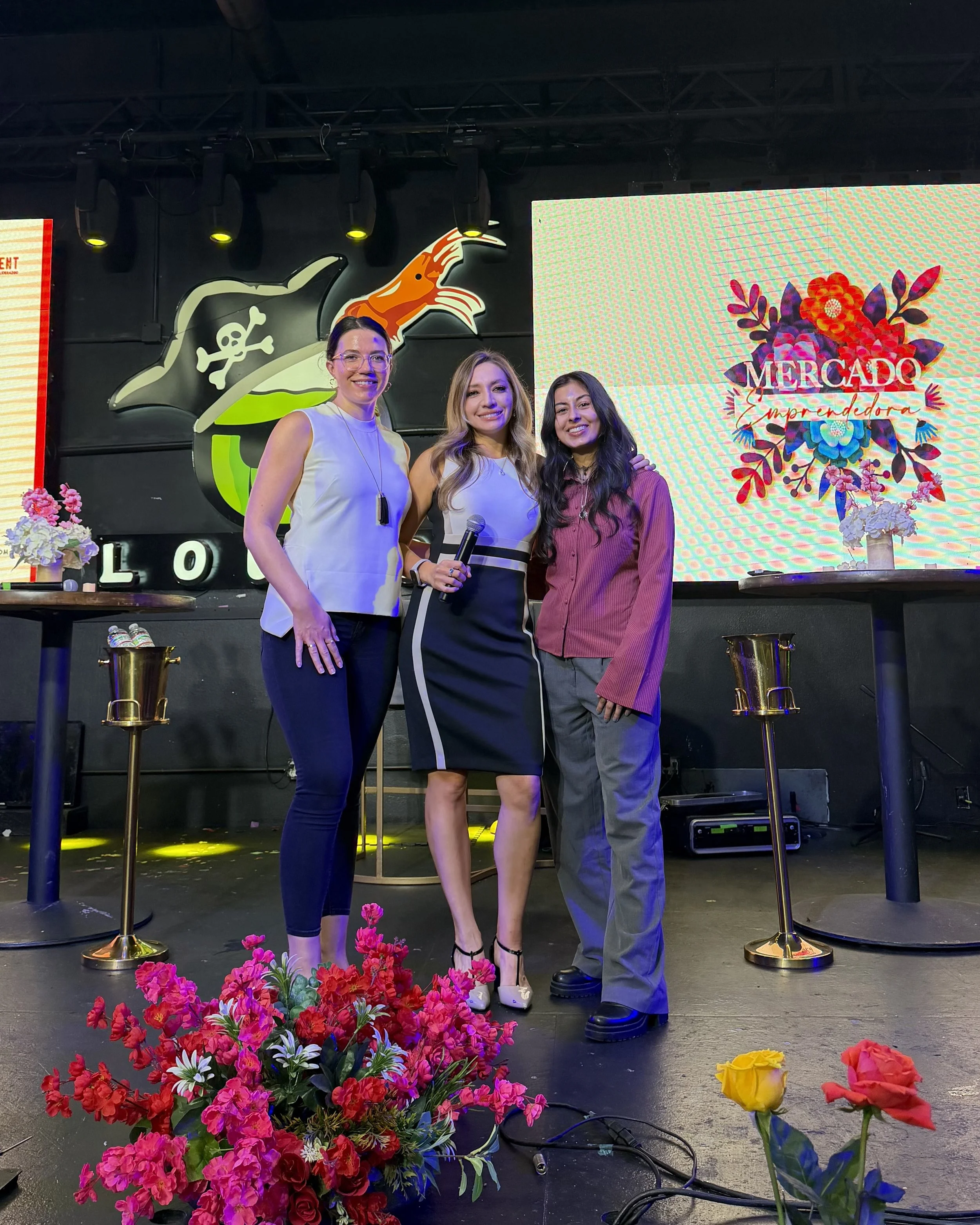
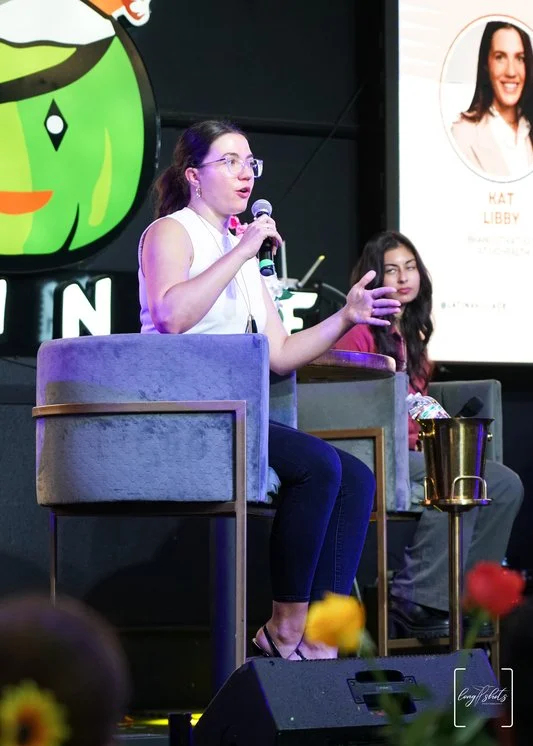
I brought the same practical approach to a Latina Village AI panel focused on entrepreneurs and small business owners. Rather than discussing AI conceptually, I shared examples of how business owners can use accessible AI tools to support content creation, customer communication, scheduling, transcription, inventory management and other time-consuming administrative work.
Deliverables:
Structured AI readiness and workflow assessment
Daily workflow and technology inventory
Identification of repetitive and high-friction operational tasks
Prioritized AI and automation use cases
Reusable prompt library for recurring responsibilities
Recommendations designed around existing tools and processes
AI education and use-case examples presented to an audience of entrepreneurs and small business owners
What I learned
The best AI use cases don't start with asking, “What can AI do?” They start with asking, “Where is someone's time actually going?”
Mapping an existing workflow before recommending technology made it much easier to distinguish between tasks that sounded automatable and tasks where AI could provide meaningful value. In operations especially, small recurring efficiencies—drafting a weekly update, extracting action items, preparing an agenda or turning raw information into a stakeholder communication—can compound over time.
The experience also reinforced the importance of translation in technology adoption. Someone doesn't need to understand every capability of an AI model to benefit from it. They need to understand which capabilities apply to their work, how to use them responsibly and how to incorporate them into processes they already understand.
Across both the consultation and the panel discussion, my role was ultimately the same: translate emerging technology into practical applications people could actually use.